Inclusive Humanitarian Action
The barriers persons with disabilities face are greatly amplified during conflict and disaster. CBM works with partners to implement disability-inclusive humanitarian responses to support those affected by humanitarian crises and to positively influence the work of the wider humanitarian community.
CBM’s humanitarian activities aim to equally reach and actively involve persons with disabilities, addressing specific needs while promoting and facilitating full inclusion in mainstream services. We work – together with our partners – on programmes that are context-specific, from disability inclusive preparedness to immediate life-saving needs to reconstruction.
CBM’s humanitarian sectors of priority are:
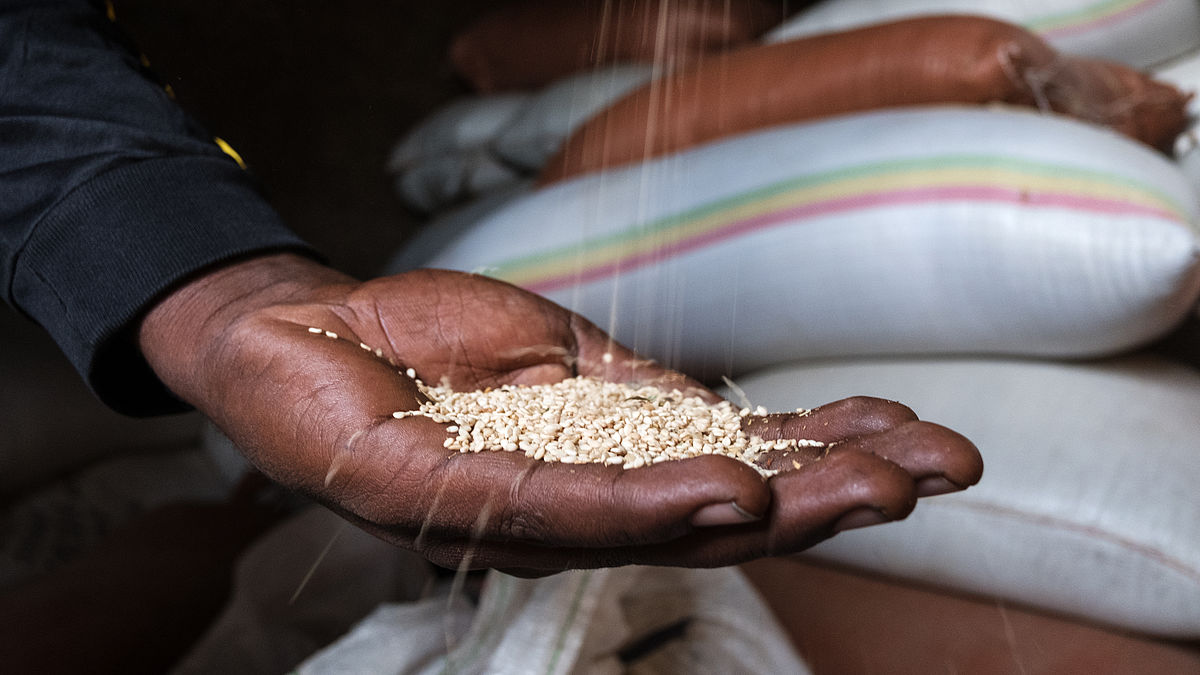
- Inclusive food security/ basic needs assistance
- Inclusive health care services
- Protection (disability mainstreaming)
- Inclusive WASH services
The above includes medical and rehabilitative services, Cash-and-Voucher-Assistance and distribution of (non-)food items, capacity development of Organisations of Persons with Disabilities (OPDs) and awareness-raising on the rights and needs of persons with disabilities in humanitarian situations as well as the construction and rehabilitation of accessible water supply points and sanitation facilities.
CBM aims to ensure that all planning for and response to humanitarian situations as well as recovery is inclusive of, but not restricted to, persons with disabilities, other more at-risk members of society, and their families. We do this by working with local partners as well as with international humanitarian organisations, meaning that local, specific knowledge is harnessed while at the same time large-scale ‘mainstream’ interventions become inclusive. This strategic approach ensures no-one is left behind.
Disability and humanitarian situations
At least 15% of any disaster-affected population will be persons living with disabilities1. The barriers they face are greatly amplified when society breaks down because of conflict or disaster.
MORE AT-RISK - Persons with disabilities are much more likely to lose their lives in any type of a humanitarian crisis than persons without disabilities. Persons with visual, hearing, physical, psychosocial, or intellectual impairments may be less able to escape from hazards and may have greater difficulty accessing humanitarian assistance.
INCREASED NUMBER - Humanitarian situations can increase the number of persons who experience disability, both short- and long-term, due to injuries sustained and lack of effective and accessible medical and rehabilitation services.
ESSENTIAL RESOURCE - Persons with disabilities and other marginalised groups have unique knowledge and experience that is not only essential to their own survival, but to the resilience of their communities as a whole.
Working with partners
CBM is strongly supporting the localization of humanitarian aid. Our humanitarian programmes are run in co-operation with local partner organisations with technical and administrative support from CBM’s Regional/ Country Offices and a Humanitarian Team based in Germany. Our local partners include specialists in providing healthcare, rehabilitation or WASH services, or Organizations of Persons with Disabilities (OPDs). Furthermore, we also collaborate with international humanitarian organisations in making their responses inclusive to persons with disabilities.
Adherence to international humanitarian principles and standards
The humanitarian work of CBM is based on the four humanitarian principles, as well as relevant internal and international standards and guidelines:
- Humanitarian Charter and IFRC Code of Conduct
- UN Convention on the Rights of Persons with Disabilities (UNCRPD)
- SPHERE Standards and Core Humanitarian Standards
- Humanitarian inclusion standards for older people and people with disabilities (HIS)
- IASC Guidelines on Inclusion of Persons with Disabilities in Humanitarian Action
CBM is an active member of the CHS Alliance and has undergone the CHS Self-Assessment in 2017/18. Based on this assessment, an improvement plan has been developed that should help to continuously improve our humanitarian work and to adhere to the above-mentioned standards.
Putting the Humanitarian-Peace-Development-Nexus into Practice: Linking Humanitarian Action with Long-term Development
When planning humanitarian interventions (especially in situations of protracted crisis) we do already look beyond acute humanitarian needs and towards resilience building and sustainability of our work that helps the affected population to become independent from (long-term) humanitarian support. By doing so we also acknowledge that more and more countries are facing long-term protracted crisis that require a mix of humanitarian activities and activities that lay the foundation for a long-term development and resilience building.
Disability Inclusive Disaster Risk Reduction (DiDRR) Training Curriculum
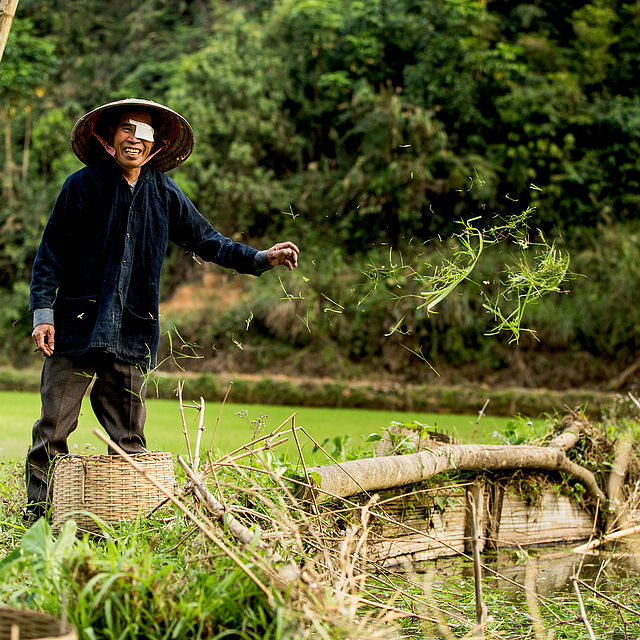
The Disability-Inclusive Disaster Risk Reduction Training Curriculum empowers humanitarian aid and disaster risk reduction actors through specialised training modules. These modules have been developed for various groups, including government officials, organisations of persons with disabilities and civil society organisations, with the aim of strengthening their role in inclusive disaster risk reduction. The trainings are part of a broader project involving several international organisations and spanning multiple countries to highlight the importance of inclusive practises in disaster risk management.
Get the Training Curriculum here
News
Loading …