€200,000 investment restores eye care services in Maiduguri, Nigeria

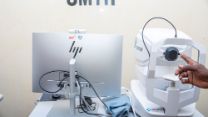
A €200,000 investment has successfully restored essential eye care services at the University of Maiduguri Teaching Hospital in Nigeria, which were severely disrupted by flooding. The hospital is now equipped with modern diagnostic and surgical tools, making it a leading referral centre. This enhancement not only improves patient outcomes but also expands training opportunities for future ophthalmologists.

Following the installation of this advanced equipment, eye care services have resumed at the University of Maiduguri Teaching Hospital. The funding addresses the significant disruption caused by severe flooding in September 2024, which damaged critical infrastructure and halted operations in the hospital’s Ophthalmology Department for over six months.

The equipment was delivered through a partnership between CBM and Church of Christ in Nations (COCIN) Community Development Programme Molai under the Rehabilitation of Flood and Crisis-Affected Eye Health Infrastructure project. The upgrade restores essential services and expands the hospital’s ability to respond to rising demand for eye care across Borno State.

Floodwaters had submerged ground-floor facilities, destroying core diagnostic and surgical tools. Patients were referred outside the state for treatment. The new installation reverses this gap and introduces capabilities not previously available within the hospital.

Modern diagnostic and surgical capacity established

The upgraded department now functions as a modern clinical unit with improved diagnostic precision and surgical performance. New systems support early detection of retinal conditions and glaucoma and enable detailed imaging for infections and ocular injuries. Surgical procedures for cataract, glaucoma, and strabismus now benefit from improved safety and efficiency.

The result is faster diagnosis, reduced waiting time, and improved patient outcomes. The hospital has regained its role as a referral centre for eye care in the region.

Training and system strengthening embedded in design

The intervention integrates service restoration with long-term system development. A structured training pathway supports workforce expansion and prepares the department to operate as a teaching unit for ophthalmology residency training. Accreditation for residency training was completed following equipment installation, linking clinical service delivery with specialist education.

Operational guidelines require that all equipment remains within the hospital, except items designated for outreach services to surrounding communities. Monitoring systems track equipment use, service delivery, and clinical outcomes, with a focus on reducing avoidable blindness.

Regional impact and long-term resilience

The intervention sits within CBM’s Inclusive Humanitarian Action and Inclusive Health workstreams. The approach aligns infrastructure recovery with capacity expansion and workforce development.

The hospital now operates with strengthened diagnostic capability, expanded surgical capacity, and a defined pathway for specialist training. This positions the facility to serve a growing patient population within Borno State and surrounding regions, reducing the need for external referrals and improving access to quality eye care.